


‹
›
‹
›
CASTING MATERIALS:
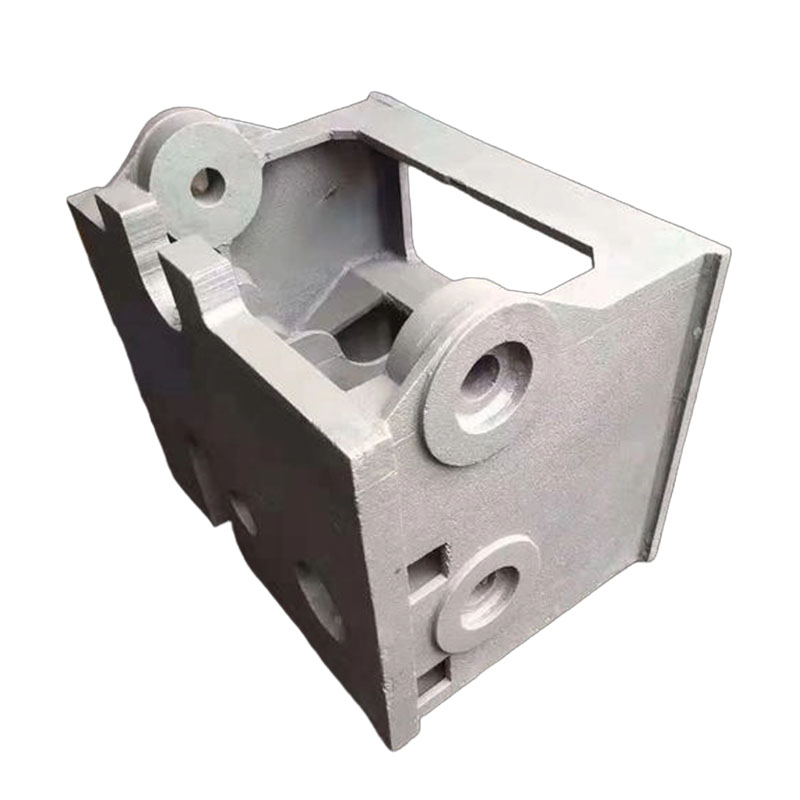
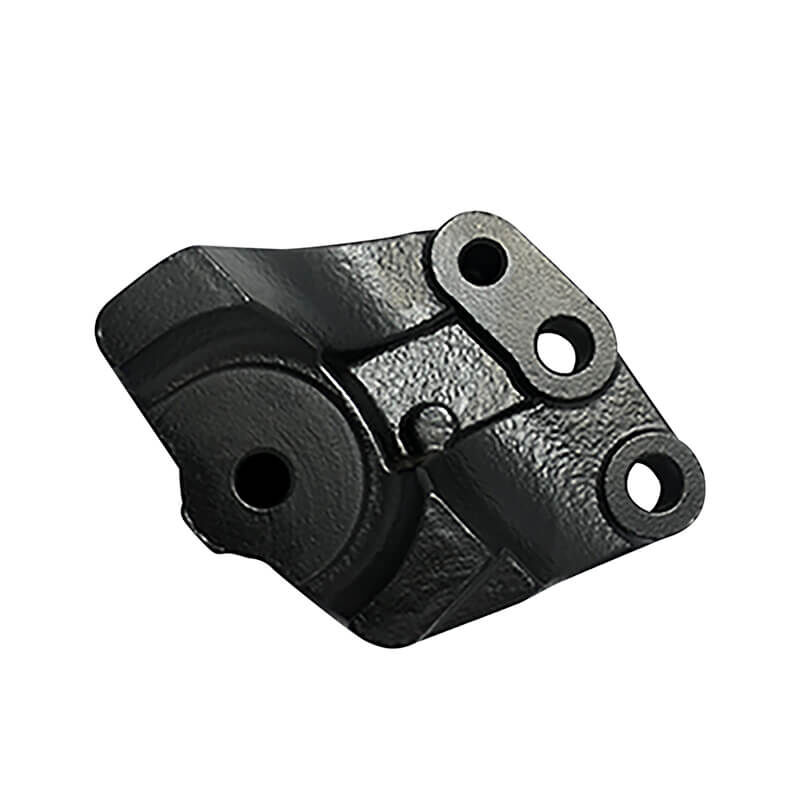
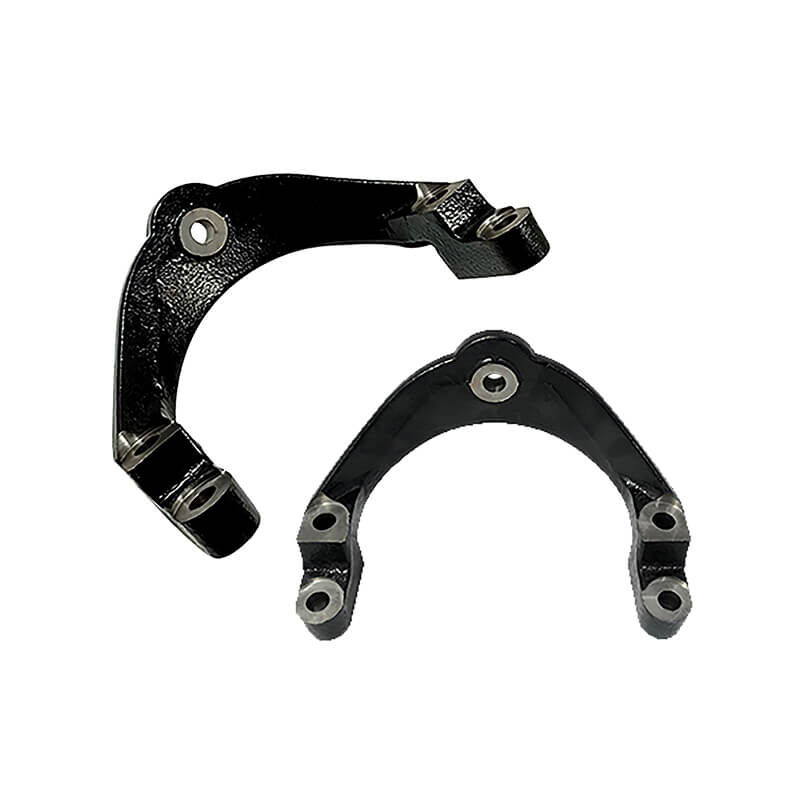
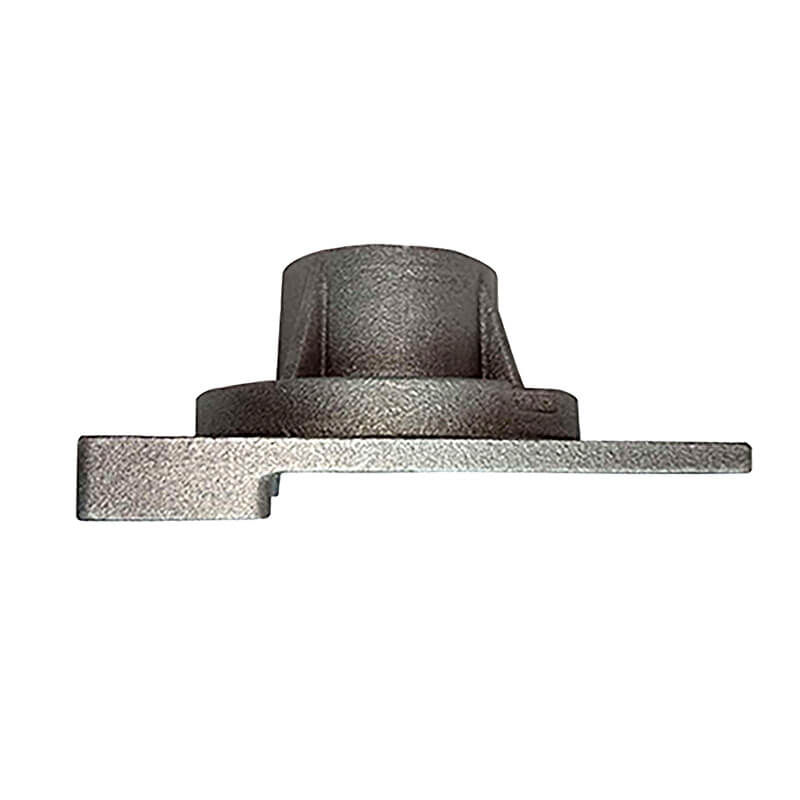
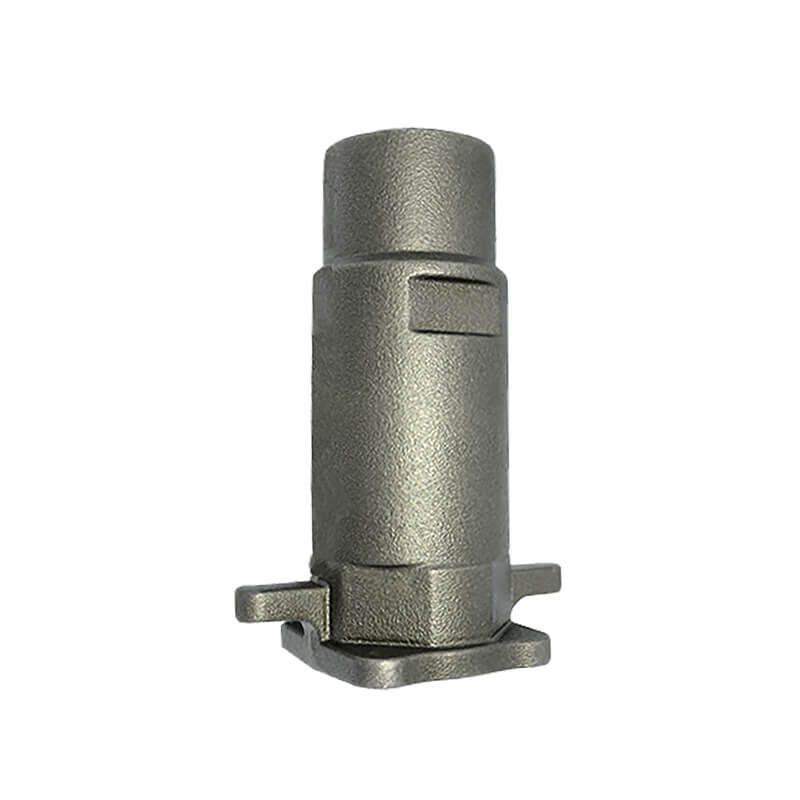
Gray Cast Iron (HT250, HT300): Widely used for machine bases, engine blocks, and housing due to its good machinability and vibration damping.
Ductile Iron (QT450, QT500): Offers higher tensile strength and impact resistance than gray iron, making it suitable for critical load-bearing components such as gears, crankshafts, and heavy-duty brackets.
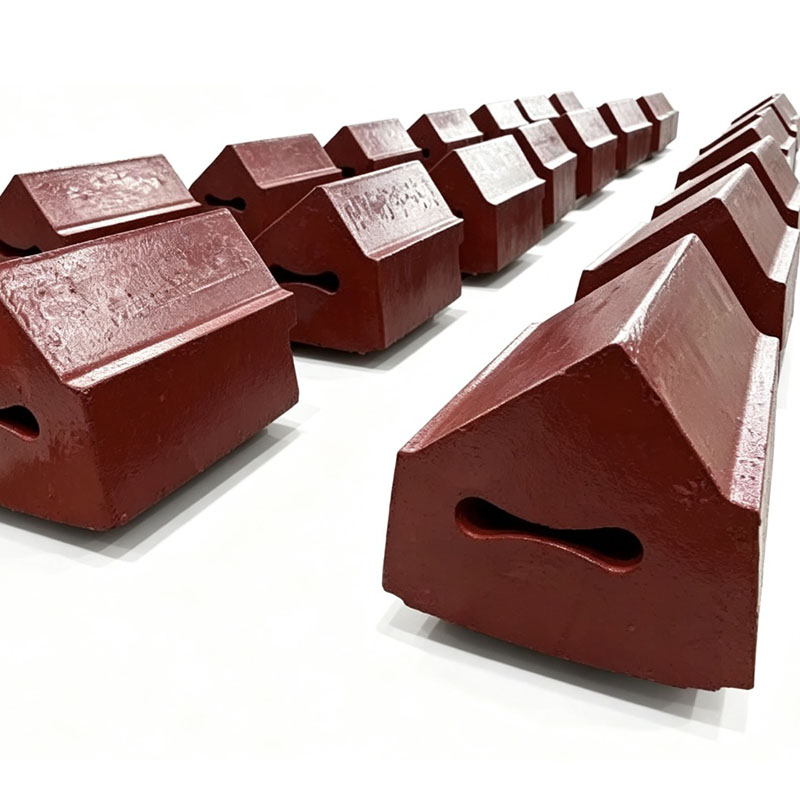
White Cast Iron: Known for its extreme hardness and abrasion resistance, often used in applications requiring high wear protection, such as grinding media and liner plates.
Key Advantages of Cast Iron in Mining Applications
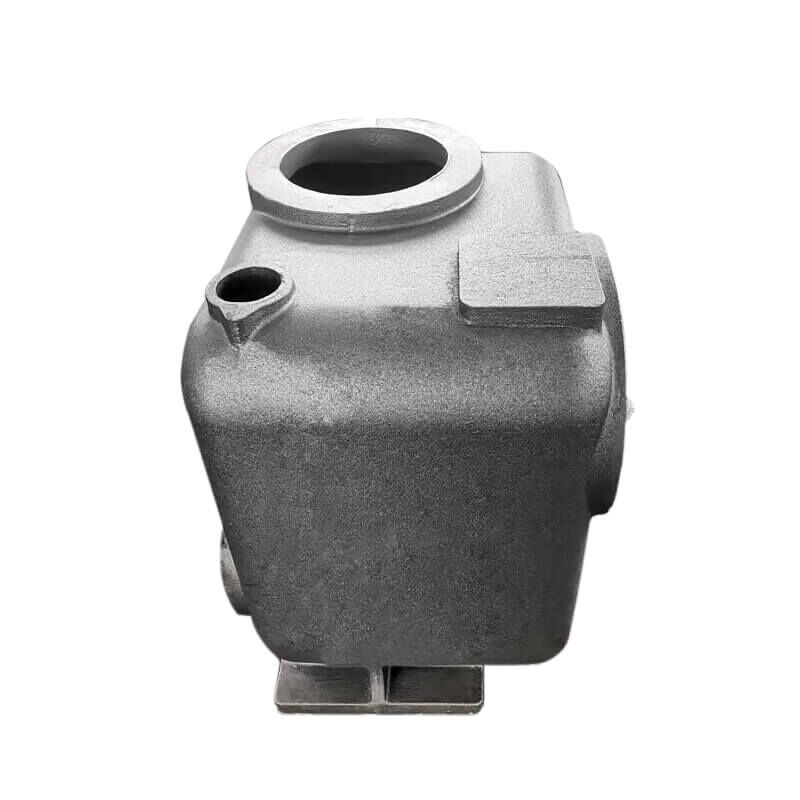
High Wear Resistance: Mining machinery frequently handles abrasive ores and rocks. Gray cast iron, in particular, contains graphite flakes that act as solid lubricants, reducing friction and enhancing wear resistance. This property significantly extends the service life of parts such as crusher jaws, mill liners, and pump casings.
Excellent Damping Capacity: One of the distinct advantages of cast iron is its ability to absorb vibrations. In heavy-duty mining equipment like crushers and screens, this damping capacity reduces noise levels and prevents fatigue failure caused by constant oscillation, ensuring smoother and more stable operation.
Superior Castability and Complexity: The casting process allows for the production of complex geometries with high precision. This enables engineers to design intricate component shapes that optimize weight distribution and stress flow, which is crucial for large-scale machinery frames and housings. Modern foundry techniques ensure consistent quality and dimensional accuracy, minimizing the need for extensive post-processing.
Cost-Effectiveness: Compared to steel forgings or other high-alloy materials, cast iron offers a more economical solution without compromising performance. Its widespread availability and efficient manufacturing processes make it an ideal choice for large-volume production of heavy industrial parts.
The use of cast iron in mining machinery underscores its enduring value in industrial engineering. By leveraging advanced casting technologies and strict quality control measures, manufacturers can produce components that withstand the rigors of mining operations.
Get Free Quote
If you have any questions, please contact us and we will contact you as soon as possible.